Buy the deal I'd buy myself.
I don't just list investment property — I own it, renovate it, furnish it and rent it. So when I hand you numbers on a duplex in De Soto or a flip in Hillsboro, they're the numbers I'd want if I were writing the check.
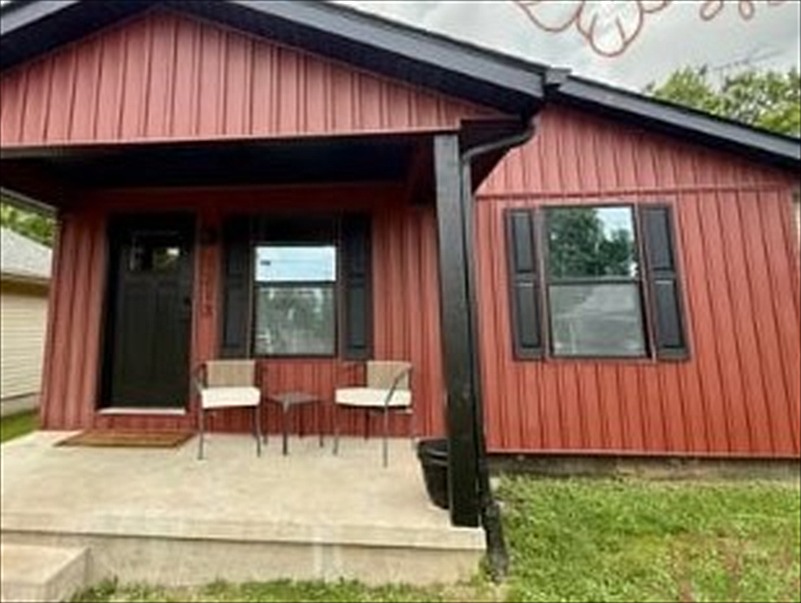
Most agents have
never turned a unit.
Buying an investment property is not buying a house. The questions are different, the walk-through is different, and the mistakes are more expensive. Here's what I'm actually looking at.
What it really rents for
Not the Zillow estimate — what comparable units in that specific pocket are leasing for right now, and how fast they fill. I rent homes in this market every month, so I'm not guessing.
What the rehab really costs
Roof, HVAC, panel, sewer lateral, foundation — the four- and five-figure items that quietly eat a deal. I'll tell you what has to be done now versus what can wait two years.
What it costs to hold
Taxes, insurance, vacancy, turnover, management, capital reserves. A property that "cash flows" on a napkin often doesn't once these are honest.
Who the tenant is
A house near a plant, a hospital or a highway interchange has a different tenant — and a different strategy — than one on a quiet cul-de-sac. Location decides the play.
Whether furnished beats long-term
Some properties earn considerably more furnished, to crews and traveling professionals, than they ever would on a twelve-month lease. That's literally my business — I'll tell you if yours is a candidate.
How you get out
Refinance, sell to a retail buyer, sell to another investor, or hold it forever. We decide the exit before you buy, not after something changes.
What we look at
before you offer.
You don't need to know these going in — that's my job. But you should understand them before you sign, because they're how we'll decide together whether a property is worth owning.
Cash to close
Down payment, closing costs, inspections, and the money that goes in before a tenant ever pays you. The single number most first-time investors underestimate.
Cash flow
Rent minus everything — mortgage, taxes, insurance, vacancy, repairs, management, reserves. If it only works when nothing breaks, it doesn't work.
Cash-on-cash return
What your actual cash earns in a year, as a percentage. The honest way to compare a rental against leaving the money somewhere else.
After-repair value
What it's worth once the work is done, based on what comparable finished homes actually sold for — not what the listing hopes.
Reserves
What you keep in the bank for the roof, the furnace, and the two months it sits empty. A deal without reserves is a deal with a deadline.
The furnished comparison
For the right property, what it would earn furnished to crews and traveling professionals versus a standard twelve-month lease. I run both.
From first call
to first rent check.
We talk numbers
What you have to work with, what return would make this worth it, and how hands-on you want to be. Twenty minutes, no pressure.
You get pre-approved
Investment loans have different rules than a primary residence. Bill sorts out what you can actually borrow before we shop.
We underwrite together
I bring you properties with the rent, rehab and holding costs already worked out — and I tell you when the answer is no.
Close, fix, fill
Offer, inspection, close. Then renovation direction, furnishing if you want it, and getting a paying tenant in the door.
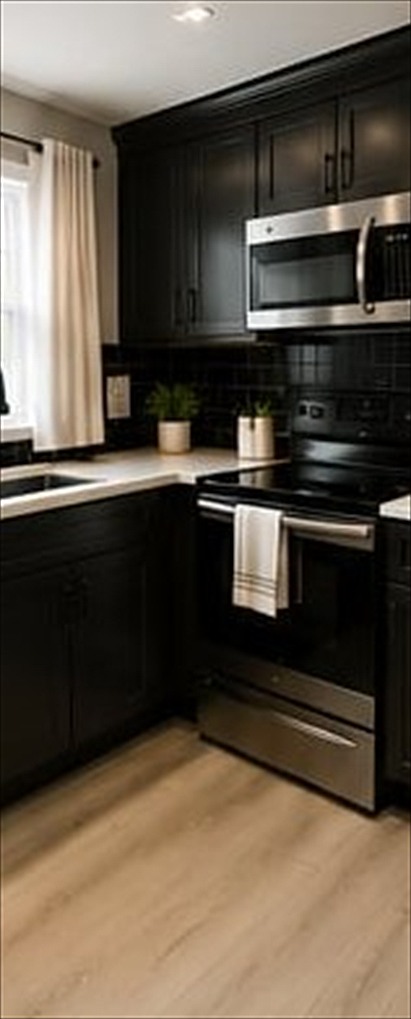
I can finish
the job, too.
Buying is the easy part. If you want the property furnished, staged or renovated with an eye toward what actually rents — that's a service I offer, not a referral I make.
The things
everyone asks.
Straight answers. Where the honest answer is "it depends," I've said so rather than guessing at your situation.
How much money do I need to start?
More than for a home you'd live in. Conventional investment loans usually want a larger down payment than an owner-occupied purchase, and lenders want to see reserves on top of that. The exact figure depends on the loan type, your credit, and how many properties you already finance — which is why step two is always a call with Bill, before we start looking.
If you're trying to get in with less, say so early. House hacking changes the math considerably.
Will you manage the property after I buy it?
I operate my own portfolio, so I can tell you exactly what management actually involves — the calls, the turnovers, the vendors. Whether I'd take on yours is a separate conversation and depends on the property. If it isn't a fit, I'll point you toward people who do it well rather than leave you guessing.
Can I buy through an LLC?
Investors commonly do, but it changes your financing options — many conventional lenders won't lend to an entity, and the ones that do price it differently. Talk to Bill and to your own attorney or CPA before you decide. I'll work with whatever structure you land on.
Do you work with out-of-state buyers?
Yes. I'll walk properties on video, send you honest photos of the things listings leave out, and be your eyes at inspection. Plenty of people own here without living here — but you should have someone local you trust, and that's the job.
What if the deal doesn't work?
Then I tell you it doesn't work. I'd rather lose a transaction than put you in a property that bleeds for five years — you'd never call me again, and you shouldn't.
How do you get paid?
In most purchases the commission is paid out of the transaction at closing rather than out of your pocket, but the specifics vary by deal and by who's representing whom. You'll have it in writing before we start working together — no surprises at the closing table.
Any rent, cost or return figures discussed are estimates based on current market conditions and are not guarantees of performance. Real estate investing carries risk, including loss of principal. Nothing here is tax, legal or investment advice — please consult your own professionals.